




A heating oil tank gauge remains a reliable tool that homeowners use to avoid running out of fuel during the coldest nights. Losing heat on a freezing night is preventable. A glance at your tank gauge shows when it is time to order.
Homeowners throughout the Greater Princeton, NJ area depend on PFO Heating & Air Conditioning for prompt heating oil delivery, thorough tank checks, and clear guidance on monitoring fuel levels.
This article outlines how float gauges operate, how to read them correctly, how to estimate the gallons left in your tank, and what to do if the gauge stops working so you can schedule timely deliveries with confidence.
Steady Heat All Season Long: Trust PFO Heating & Air Conditioning for prompt, reliable heating oil delivery that keeps your home comfortable and stress-free. Contact us today to schedule your next fill.
Easy Ways to Check and Interpret Your Oil Tank Gauge
Contents
- 1 Easy Ways to Check and Interpret Your Oil Tank Gauge
- 2 How a Float Gauge Functions
- 3 What to Do When the Gauge Stops Working
- 4 Innovative Ways to Keep Track of Your Heating Oil
- 5 When to Plan Your Next Oil Delivery
- 6 FAQs: Heating Oil Tank Gauge
- 7 Conclusion
- 8 Reach Out to PFO Heating & Air Conditioning for Reliable Heating Oil Delivery
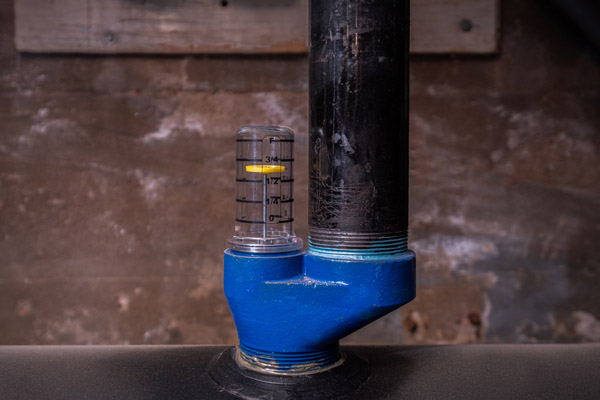
Knowing how your tank gauge functions allows you to manage your heating system effectively and prevent unexpected runouts. Once you understand the essentials, tracking fuel levels becomes straightforward and helps keep your home comfortable throughout the winter.
Enjoy Steady Warmth All Winter: Count on PFO Heating & Air Conditioning for timely heating oil delivery and professional system care that supports efficient performance. Contact us today.
How a Float Gauge Functions

A typical residential heating oil tank relies on a basic float-and-rod setup that offers an approximate reading of the fuel remaining inside. Knowing the purpose of each component helps you interpret the gauge with greater accuracy.
- Float: This buoyant piece sits on top of the oil and rises or lowers as the fuel level changes.
- Connecting Arm: The arm links the float to the gauge mechanism and transfers the float’s movement to the display.
- Gauge Dial: The dial presents an estimated fuel level with familiar markings such as F for full, ¾, ½, ¼, and E for empty.
- Protective Lens: The clear lens shields the dial from debris and moisture, providing a clear view of the reading.
If the lens becomes hazy or damaged, or if the needle stops moving smoothly, the reading may no longer be dependable. Reach out to a qualified technician from PFO Heating & Air Conditioning for an inspection or gauge replacement to maintain accurate performance.
Never Worry About Running Out of Heat: Let PFO Heating & Air Conditioning manage your automatic heating oil deliveries so you enjoy steady, uninterrupted comfort. Schedule your service today.
Locate Your Fuel Oil Tank and Identify the Gauge
Heating oil tanks are typically located in the basement, utility area, attached garage, or outdoors, although some homes use underground tanks. Look for a steel tank constructed with welded seams, featuring a fill pipe, a vent pipe with a whistle alarm, oil supply lines, and a gauge mounted on the top.
A standard aboveground tank usually has a 275-gallon capacity, although it is never filled to the brim because a safe-fill limit allows room for thermal expansion as outdoor temperatures shift. If your property uses an underground tank, avoid removing caps or inserting measuring sticks into any openings. Instead, contact a qualified technician for accurate measurement and inspection to maintain safety and long-term reliability.
How to Check Your Home Heating Oil Gauge Accurately
Reading your oil tank gauge correctly helps you get a reliable idea of how much fuel you have left. Use these simple guidelines to ensure an accurate check:
- Stand directly in front of the dial. Look at the gauge straight on so the reading is clear and unaffected by viewing angles.
- Focus on the center of the disc. Since the gauge offers an approximation, match the middle of the disc with the closest marking, such as F, ¾, ½, ¼, or E.
- Give the housing a light tap. A gentle tap can release a float that may be sticking, but never hit the tank itself.
Local Service, Lasting Comfort: Count on PFO Heating & Air Conditioning for fast, professional heating oil delivery throughout the Greater Princeton, NJ area. Contact us now to get started.
What to Do When the Gauge Stops Working

If your heating oil tank gauge is giving inaccurate readings or has failed completely, there are safe alternatives available for monitoring your fuel level. For accessible above-ground tanks, you can use a calibrated dipstick placed through the inspection port, provided it can be reached safely. Mark the stick at the “full” point immediately after a delivery, then use those markings to compare future measurements as your fuel supply decreases.
Another dependable solution is to add an electronic tank monitor. These systems utilize ultrasonic or cellular technology to measure fuel levels in real-time and can send low-fuel alerts directly to your phone or computer.
You can also speak with PFO Heating & Air Conditioning about automatic delivery programs, which estimate usage based on weather data and schedule refills before your tank gets low. Never try to measure an underground tank manually. Always rely on a licensed technician for safe inspection and accurate measurement.
Your Reliable Home Heating Expert: Whether you need scheduled deliveries or urgent assistance, PFO Heating & Air Conditioning is ready to keep your system running at peak performance. Call us today.
Innovative Ways to Keep Track of Your Heating Oil
Building consistent monitoring habits helps you manage fuel use effectively and prevent unexpected runouts. Keep these practical steps in mind throughout the heating season:
- Check your gauge every week in winter and after periods of heavy heating so you always know where your fuel level stands.
- Maintain a delivery record that lists refill dates and gallons received to understand long-term usage patterns.
- Pay attention to thermostat settings, severe weather, and changes in household routines, since colder days or extra guests can increase consumption.
- Remove snow, ice, and debris from around outdoor tanks, fill pipes, and vent pipes to ensure safe and convenient access for deliveries and inspections.
These simple practices help you stay organized, use fuel wisely, and maintain consistent comfort all winter long.
When to Plan Your Next Oil Delivery
To prevent inconvenient heat loss, the ideal time to place an order is when your gauge reaches roughly one-quarter full. Larger homes or properties that use fuel quickly may want to schedule deliveries earlier to maintain steady comfort.
If you are unsure about how fast your household uses oil, consult PFO Heating & Air Conditioning about automatic delivery programs or electronic monitoring systems that offer precise, real-time tracking and ensure timely refills all season long.
Reliable Heat from Fall Through Spring: Turn to PFO Heating & Air Conditioning for prompt deliveries and customized heating solutions tailored to your home’s needs. Contact us today.
FAQs: Heating Oil Tank Gauge

How Precise are Float-Style Oil Gauges?
Float-style gauges provide a general estimate rather than an exact measurement. They offer a useful overview of your fuel level, but factors such as the tank’s shape, slight settling, or accumulated sludge can influence the reading. For more dependable accuracy, many homeowners upgrade to smart tank monitors that use sensors to deliver real-time digital measurements and automatic low-fuel notifications.
Can Extreme Weather Change My Gauge Reading?
Yes. Shifts in temperature can cause heating oil to contract or expand, which may lead to slight variations in the gauge reading. During freezing weather, the oil can thicken, causing the float to react more slowly. It is best to track your gauge over several days rather than depending on a single reading taken during extreme conditions.
How Long Will a Fuel Oil Tank Gauge Typically Last?
Most float-style gauges operate dependably for roughly 10 to 15 years. As time passes, factors like internal moisture, rust formation, or sludge buildup can cause the float or arm to stick, leading to unreliable readings. Replacing an aging or cloudy gauge during routine tank service helps maintain accurate monitoring and long-lasting performance.
Skilled Support for Your Home Heating: Keep your tank and furnace in top condition with thorough inspections and expert service from PFO Heating & Air Conditioning. Schedule your appointment today.
What Occurs When a Heating Oil Tank Runs Empty?
If your tank runs out of oil, air can enter the fuel lines and cause the burner to shut down. Restoring heat often requires a technician to bleed the lines and reset the burner. An empty tank may also disturb settled sediment, which can clog filters or damage the burner nozzle, leading to additional repairs.
How Can I Stretch My Home Heating Oil Supply During Winter?
You can extend your fuel supply by sealing drafts, upgrading insulation, and regularly cleaning or changing furnace filters. Maintaining steady thermostat settings and arranging yearly system tune-ups also boosts efficiency, helping your heating equipment use less oil while keeping your home comfortably warm.
Conclusion
Understanding your tank’s capacity, checking the disc at eye level, and converting the gauge fraction to gallons using a safe-fill amount allows you to manage your heating oil supply more efficiently. Order a refill once the tank reaches one-quarter full to avoid outages. If the readings appear incorrect, schedule a professional evaluation or consider installing a tank monitor for improved accuracy.
Stay prepared for winter with PFO Heating & Air Conditioning and inquire about automatic delivery, tank monitors, and prompt, dependable refills throughout the Greater Princeton, NJ area.
Comfort You Can Feel, Service You Can Rely On: Keep your home safe and warm with dependable heating oil delivery from PFO Heating & Air Conditioning. Call us to schedule your refill.
Reach Out to PFO Heating & Air Conditioning for Reliable Heating Oil Delivery
PFO Heating & Air Conditioning proudly serves homes and businesses throughout the Greater Princeton, NJ area with dependable heating oil delivery that keeps your property warm and comfortable all winter. We provide high-quality fuel promptly and efficiently, ensuring you always have the heat you need without delay.
Our dedication to customer satisfaction includes clear pricing, flexible delivery options, and convenient financing plans designed around your needs. Every customer receives attentive, reliable service focused on maintaining steady warmth throughout the season.
Along with heating oil delivery, PFO Heating & Air Conditioning provides comprehensive HVAC services, including installation, maintenance, and emergency repairs, making us your trusted partner for year-round comfort. Contact PFO Heating & Air Conditioning today to schedule your next delivery or learn how we can keep your home efficient and cozy all winter long.
Click here to contact us now or call us at (800) 253-9001 to find out more! Click the link to view our service area.

Related Articles:
- The Future Of Heating Oil Technology: Innovations Powering Tomorrow’s Warmth
- Heating Oil Efficiency Explained: Comfort, Cost & Performance
- Heating Oil Smell In The House: Normal Or A Problem?
- Cutting Costs By Conserving Heating Oil At Home
- Will Call Vs Automatic Oil Delivery: What Fuel Delivery Is Right For You?