



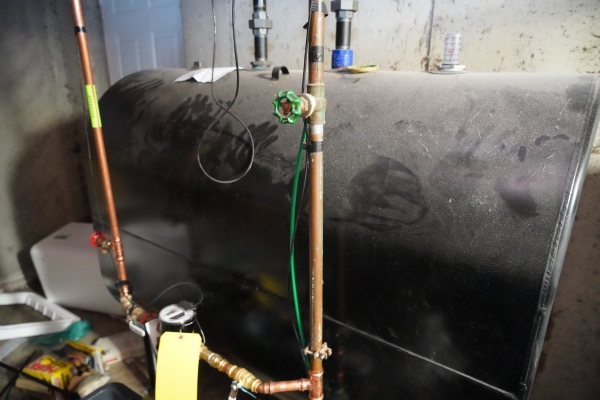
Summer weather may seem harmless to a heating oil system, but heat and humidity can gradually affect the tank and stored fuel, even when the system is idle. Daily temperature changes draw warm, moisture-laden air into the tank, where it condenses into water, increasing the risk of corrosion, sludge buildup, and fuel degradation. If left unaddressed, these issues can reduce heating efficiency and result in costly repairs.
This article examines how summer heat and humidity can lead to heating oil tank corrosion, condensation, internal rust, and fuel deterioration. It explains how moisture enters the tank, why temperature changes accelerate these issues, and the preventive measures homeowners can take to help protect their heating oil system during warmer months.
Why Summer Conditions Can Affect Heating Oil Tanks
Although heating systems see little use during summer, heating oil tanks remain exposed to conditions that can gradually affect fuel quality and tank integrity. Heat, humidity, and daily temperature fluctuations allow moisture to accumulate inside the tank, increasing the risk of corrosion, sludge buildup, and fuel degradation before the heating season returns.
How Summer Heat and Humidity Impact Heating Oil Tanks

Summer heat and humidity can gradually affect heating oil tanks and the fuel they contain. Moisture intrusion, repeated temperature changes, and extended fuel storage can accelerate corrosion, weaken tank components, and reduce fuel quality over time.
Temperature Changes Promote Internal Condensation
Summer temperature swings between warm days and cooler nights can cause condensation to form inside heating oil tanks. Humid air entering through the vent cools inside the tank, allowing moisture to collect on interior surfaces and drip into the fuel.
Tanks with lower fuel levels are more susceptible because the larger air space holds more humid air. Even limited water accumulation can gradually reduce fuel quality and increase the risk of corrosion.
Water Accelerates Tank Corrosion
Moisture inside a heating oil tank promotes internal rust, especially in steel tanks. Over time, it weakens tank walls, seams, and fittings, increasing the risk of leaks and fuel contamination. Since corrosion often begins inside the tank, it can stay hidden until significant damage has occurred, particularly in older equipment.
High Temperatures Reduce Fuel Quality
Extended exposure to summer heat can gradually reduce heating oil stability during storage. As the fuel ages, sediment may collect at the bottom of the tank, clogging filters, restricting fuel flow, and reducing burner performance when the heating system is needed again.
Moisture Can Promote Microbial Contamination
Water inside the tank can create an environment where bacteria and other microorganisms grow at the fuel-water interface. Over time, this contamination forms sludge that can clog filters, restrict fuel flow, reduce heating efficiency, create unpleasant odors, and accelerate wear on fuel system components.
Why Temperature Changes Matter
Heating oil tanks expand during warmer temperatures and contract as they cool. Repeated expansion and contraction can gradually stress aging tanks, seals, fittings, and connectors, increasing the risk of wear and leaks.
Partially filled tanks are more susceptible because bigger air spaces allow more humid air to circulate, increasing condensation. Outdoor tanks face additional exposure to sunlight, rain, humidity, and rapid temperature changes, which can accelerate exterior deterioration and moisture-related damage over time.
Risks of Neglecting Heating Oil Tanks During Summer
Heating oil tank problems often develop gradually during warm weather, making them easy to overlook. Common risks include:
- Water Accumulation: Condensation can collect inside the tank, allowing water to settle at the bottom.
- Sediment and Sludge Buildup: Contaminants can accumulate over time, reducing fuel quality and system performance.
- Microbial Growth: Moisture creates conditions where bacteria and fungi can grow, further contaminating the fuel.
- Fuel System Problems: Contaminated fuel can clog filters, nozzles, and fuel lines, reducing heating efficiency and increasing the risk of service interruptions when the system is used again.
- Internal Corrosion: Moisture promotes rust that gradually weakens tank walls, seams, and fittings.
- Leaks and Costly Repairs: Corrosion can eventually lead to leaks, environmental damage, and expensive tank replacement if left unaddressed.
Steps NJ Homeowners Can Take to Protect Heating Oil Tanks

Simple summer maintenance can help protect heating oil tanks from moisture damage, fuel contamination, and premature wear. Routine care also reduces the likelihood of costly repairs before the heating season begins.
- Maintain an Adequate Fuel Level: Keeping the tank reasonably full reduces empty air space, limiting condensation and moisture buildup.
- Schedule Professional Tank Inspections: Routine evaluations can identify corrosion, loose fittings, moisture issues, and early signs of deterioration before they worsen.
- Check for Visible Damage: Periodically inspect the tank for rust, peeling paint, damp spots, unstable supports, or signs of water exposure.
- Use Fuel Additives if Recommended: Approved additives can help maintain fuel stability during extended storage and reduce moisture-related contamination when recommended by a qualified professional.
- Protect Outdoor Tanks: Providing shade when possible and maintaining proper drainage around the tank can help reduce heat exposure and moisture accumulation.
FAQs: Heating Oil Tank Corrosion

Can Summer Storms Allow Water Into a Heating Oil Tank?
Heavy summer rain can introduce water into a heating oil tank if the vent cap, fill cap, or seals are worn, damaged, or not securely sealed. Once moisture enters the tank, it can accelerate internal corrosion, contaminate the fuel, and increase the likelihood of long-term system problems.
What Causes a Heating Oil Tank to Sweat in Summer?
A heating oil tank “sweats” when warm, humid air meets the cooler surface of the tank, causing condensation to form on the outside, much like moisture on a cold beverage. If this moisture remains on the tank for long periods, it can accelerate exterior rust and corrosion.
Can High Summer Humidity Damage Heating Oil Tank Components?
Yes. Prolonged exposure to humidity can promote corrosion on gauges, valves, fittings, and fuel lines, particularly on older systems and outdoor tanks. Over time, this corrosion may reduce component reliability, cause leaks, and make maintenance or inspections more challenging.
Do Older Heating Oil Tanks Face a Higher Risk of Corrosion?
Yes. Older heating oil tanks are generally more susceptible to corrosion after years of exposure to moisture, temperature changes, and natural wear. As protective coatings deteriorate, rust can develop more easily when condensation or water accumulates inside the tank. Aging tanks may also have thinning metal, weakened seams, or hidden internal corrosion, increasing the risk of leaks, fuel contamination, and structural failure over time.
How Can You Detect Moisture Problems in a Heating Oil Tank?
Early signs of moisture inside a heating oil tank can include poor burner performance, inconsistent heating, discolored fuel filters, unusual fuel odors, or rust forming around seams and fittings. Since internal water contamination often remains hidden, routine professional inspections are the most effective way to identify developing issues before they turn more serious.
Conclusion
Summer heat, humidity, and changing temperatures can gradually affect heating oil tanks by increasing condensation, corrosion, and fuel degradation, especially in older or partially filled tanks. Over time, excess moisture can reduce fuel quality, accelerate tank wear, and impact heating system performance. Routine inspections, seasonal maintenance, and preventive care help protect your tank and support reliable operation.
Help prevent minor summer issues from becoming expensive winter repairs by contacting PFO Heating & Air Conditioning for professional heating oil tank service and dependable support throughout Greater Princeton, NJ.
Contact PFO Heating & Air Conditioning for Reliable Heating Oil and Home Comfort Services
Homeowners and businesses throughout Greater Princeton, NJ rely on PFO Heating & Air Conditioning for dependable heating oil delivery that helps maintain reliable indoor comfort during the colder months. We provide quality fuel, responsive service, and clear communication to make managing your heating needs simple and dependable.
We offer flexible delivery schedules and payment options to fit a variety of household needs, making it easier to maintain a consistent fuel supply. All deliveries are completed with a focus on safety, efficiency, and customer convenience.
In addition to heating oil delivery, PFO Heating & Air Conditioning provides expert HVAC services, including equipment installation, preventive maintenance, repairs, and system replacements. Our experienced technicians deliver practical solutions that improve comfort, efficiency, and long-term system performance.
At PFO Heating & Air Conditioning, we are committed to quality workmanship, reliable service, and client satisfaction. Contact us today to learn more about our heating oil delivery programs and complete home comfort services.
Click here to contact us now or call us at (800) 253-9001 to find out more! Click the link to view our service area.
Related Articles:
- Essential Steps To Protect Your Oil Heating System For Warmer Weather
- The Dependability Behind Heating Oil As A Home Energy Source
- Smart Ways Heating Oil Delivery Saves Time And Money
- Protect Your Home With Proper Heating Oil Tank Winter Preparation
- How To Read Your Heating Oil Tank Gauge With Confidence