



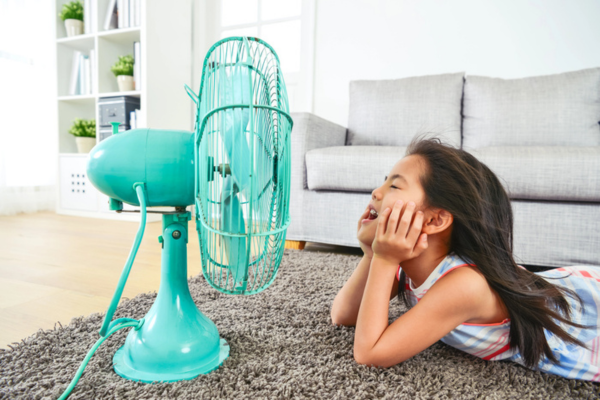
As summer winds down, months of heavy use combined with lingering high temperatures can make it harder for your air conditioner to maintain consistent indoor comfort. If you are wondering, “Why is my AC not keeping up?” common causes include dirty filters or coils, refrigerant issues, thermostat problems, worn components, and accumulated strain from operating throughout the season.
This article covers the most common reasons your AC may struggle at the end of summer, the warning signs to watch for, and when professional HVAC service may be necessary to restore reliable cooling.
Resolving End-of-Summer AC Problems: Why Can’t My Air Conditioner Keep Up?
When summer temperatures reach their highest levels, many air conditioning systems begin showing reduced performance and increased strain. Identifying the underlying causes of these cooling problems can help you address them effectively before indoor conditions become uncomfortable.
Clogged Air Filters & Reduced Airflow
A dirty air filter is a common cause of end-of-summer AC problems. Dust, pollen, and debris can clog the filter, restricting airflow, reducing cooling efficiency, and increasing system strain. This can lead to warmer indoor temperatures, higher energy bills, and potential equipment damage.
Weak airflow from vents and uneven temperatures are common signs of a clogged filter. During peak cooling months, replace pleated filters at least every 30 days to maintain proper airflow, protect your AC, and support consistent comfort.
Low Refrigerant Levels & Air Conditioning Leaks
Ongoing temperature changes and system operation during summer can place stress on connections and components, increasing the risk of gradual refrigerant leaks. Typical signs of low AC refrigerant include extended cooling cycles, weaker cooling performance, frost forming on the evaporator coil, and warmer air blowing from vents.
Handling refrigerant safely requires specialized tools, technical training, and appropriate certification. A qualified HVAC technician can identify and repair the leak, then complete an AC refrigerant recharge to restore proper charge levels, cooling capacity, and overall system operation.
Contaminated Air Conditioner Evaporator & Condenser Coils
Over the cooling season, evaporator and condenser coils accumulate pollen, lawn debris, and other airborne contaminants. This buildup creates an insulating barrier that limits heat transfer, weakening the system’s ability to move heat from your home. Fouled AC coils can worsen late-summer cooling issues by making the equipment operate longer while providing less efficient cooling.
To preserve performance, arrange professional coil cleaning at least annually. Homeowners can also keep the outdoor condenser clear of leaves, grass clippings, and surrounding debris between service visits. These preventive cleaning measures are important parts of proper condenser maintenance.
Aging or Improperly Sized Air Conditioning Equipment
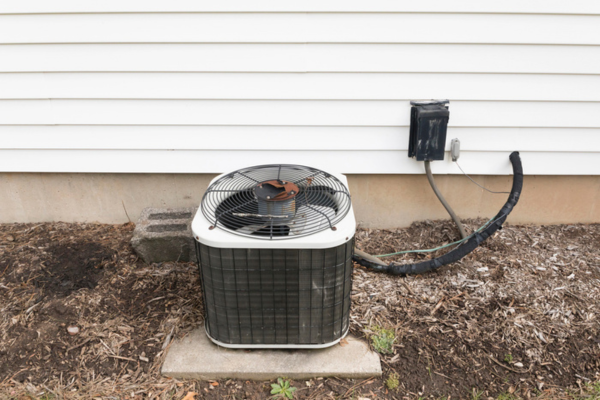
An undersized air conditioner can have difficulty satisfying your home’s cooling demands, particularly when renovations, added rooms, or other property changes alter the cooling load. Older AC equipment may also decline in efficiency over time, causing extended runtimes, weaker cooling, and increasingly uncomfortable indoor temperatures.
Signs of an aging cooling system or a unit that is too small are:
- Frequent cycling or short cycling
- Increased monthly energy expenses
- Uneven or unreliable temperature control
If these problems continue, explore aging AC replacement solutions. A professional HVAC load calculation can identify the appropriate equipment capacity, while choosing a higher-SEER system can enhance cooling performance, energy efficiency, and indoor comfort throughout periods of intense summer heat.
Incorrect Thermostat Settings & Calibration
Improper thermostat settings can worsen late-summer AC performance. Setting the fan to “On” instead of “Auto” may reintroduce moisture into the air and reduce dehumidification. Aging sensors can also lose accuracy, causing short cycling, inefficient operation, higher energy use, and system strain.
Use the “Auto” fan setting and recalibrate or replace an inaccurate thermostat. A programmable model can provide better control, while proper settings help improve AC efficiency and indoor comfort.
Leaking HVAC Ductwork & Inadequate Insulation
Summer heat can expand ductwork and create small gaps that let conditioned air escape, particularly in attics and crawlspaces. These leaks reduce efficiency and may cause hot spots, uneven vent temperatures, and increased airflow noise.
Professional duct leak repair can identify and seal problem areas. Mastic or metal tape may address minor accessible gaps, while adequate duct insulation reduces cooling losses and improves system performance.
Weak AC Blower Motor or Capacitor
After months of heavy use, the blower motor or capacitor can weaken or fail, reducing airflow and limiting cool air distribution. Left unresolved, these problems may eventually cause a complete system shutdown.
Common warning signs include:
- Humming or buzzing sounds
- Slow or intermittent blower operation
- No airflow while the fan runs
A certified HVAC technician can test electrical components, replace a faulty capacitor, evaluate the blower motor, or recommend an efficient blower upgrade when appropriate to restore reliable cooling.
When to Contact PFO Heating & Air Conditioning for HVAC Service in New Jersey
If your AC still struggles after basic troubleshooting, contact PFO Heating & Air Conditioning for professional assistance. Our technicians use diagnostic tools and proven testing methods to identify underlying cooling system problems accurately.
We provide late-season tune-ups to restore performance, improve efficiency, and prepare your equipment for the remaining summer heat and upcoming seasons. When repairs are impractical or too costly, our team can discuss AC replacement options and help you choose an efficient system suited to your home and budget.
Why Is My AC Not Keeping Up: FAQs

Why Does Extreme Outdoor Heat Reduce My Cooling System’s Late Summer Performance?
When outdoor temperatures stay high, the condenser has more difficulty releasing heat, which can increase refrigerant pressures and decrease cooling capacity. Your AC may run longer, consume more electricity, and place additional strain on components. Professional maintenance, including coil cleaning and refrigerant checks, helps your cooling system perform reliably during intense late-summer heat.
Can a Variable-Speed Air Conditioner Improve Cooling During Late Summer?
Yes. Variable-speed compressors adjust their capacity to match your home’s cooling demand, often operating at lower speeds for longer cycles. This provides steadier temperatures, improves humidity control, and lowers energy use. An HVAC professional can properly size and install a variable-speed system that matches your home’s specific cooling requirements.
Does High Indoor Humidity Make Air Conditioning Feel Less Effective?
Yes. Excess indoor humidity can make rooms feel warmer and muggy even when the thermostat reaches its set temperature. Your AC must manage moisture while cooling the air, increasing its workload. Setting the fan to “Auto,” installing a whole-house dehumidifier, or scheduling a professional HVAC assessment can improve humidity control and overall comfort.
How Can Restricted Ductwork Airflow Affect A/C Unit Performance?
Restricted, leaking, or inadequately insulated ductwork can reduce airflow at supply vents and create pressure imbalances, forcing your A/C to work harder to maintain comfort. This can increase energy costs and place additional strain on the blower motor. Professional duct sealing and air balancing can restore proper airflow and improve overall cooling efficiency.
Can a Smart Thermostat Improve Cooling System Performance During Late Summer?
Smart thermostats can adjust temperature settings based on schedules, occupancy, and system usage while providing convenient remote control. These features may reduce unnecessary AC runtime and limit strain during hot weather. Professional installation and calibration help ensure the thermostat communicates properly with your HVAC system for reliable, efficient operation.
Conclusion
Restricted airflow, low refrigerant, dirty coils, thermostat problems, and aging components can reduce AC performance late in the cooling season. Addressing these issues with timely maintenance and appropriate repairs can restore cooling capacity, improve efficiency, and reduce the risk of further equipment problems.
Contact PFO Heating & Air Conditioning for professional AC inspections, dependable repairs, or system upgrades throughout the Greater Princeton, NJ area. Keep your home comfortable and your cooling system performing reliably through summer’s final stretch.
Contact PFO Heating & Air Conditioning for Trusted HVAC Services in New Jersey
PFO Heating & Air Conditioning provides dependable heating and cooling services throughout the Greater Princeton, NJ area. Our certified HVAC technicians handle system tune-ups, repairs, installations, replacements, and other essential services. With extensive training, technical expertise, and industry experience, our team provides precise solutions to help keep your HVAC equipment operating reliably.
We offer competitively priced heating and cooling solutions designed around your comfort and efficiency needs. Routine maintenance can improve system performance, increase energy efficiency, and help lower heating and cooling costs. When repairs or complete equipment replacement become necessary, PFO Heating & Air Conditioning can recommend practical solutions suited to your home, comfort requirements, and budget. We also stand behind our services with a strong satisfaction guarantee.
Call PFO Heating & Air Conditioning today to schedule HVAC service or request an in-home consultation. Call now!
Click here to contact us now or call us at (800) 253-9001 to find out more! Click the link to view our service area.
Related Articles: