




When your furnace turns on but no heat reaches your home, an underlying heating system issue may be responsible. Common causes include malfunctioning components, restricted airflow, or electrical problems.
This article explores why a furnace turns on but no heat is produced, the warning signs to watch for, and when to get in touch with a qualified HVAC technician for professional diagnosis and repair.
Furnace Runs Without Heat: Common Causes and Solutions
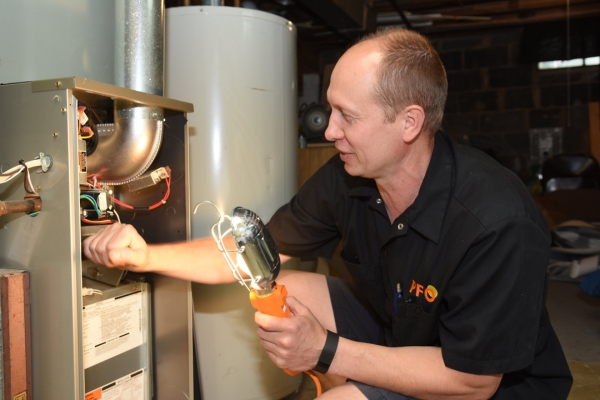
Understanding how furnace components produce heat can help pinpoint the problem and determine whether a simple adjustment or professional repair is necessary.
Incorrect Thermostat Settings or Malfunctions
A faulty thermostat is a common reason a furnace turns on without producing heat. Incorrect settings or malfunctions can prevent proper communication with the heating system. If the thermostat is set to “cool” or “fan only,” the blower may operate without activating the heating cycle.
Warning signs include a blank display, inaccurate temperature readings, or failure to signal the furnace. To troubleshoot, switch the thermostat to “heat,” set the temperature above room temperature, and replace weak batteries. If problems persist, have a qualified HVAC technician check the wiring and diagnose the issue.
Dirty or Clogged Furnace Air Filter
A dirty air filter can cause a furnace to run without delivering heat. Restricted airflow may lead to overheating, triggering a safety switch that turns off the burners while the blower continues running. Common signs include weak airflow from vents, visible dust buildup, and frequent furnace cycling.
Replace dirty filters regularly to restore proper airflow and heating performance. Consider a compatible high-efficiency filter and check it monthly to prevent recurring problems and maintain consistent indoor comfort.
Faulty Ignition System or Pilot Light
A malfunctioning ignition system or pilot light can prevent a furnace from producing heat. When these components fail, the burners may not ignite or stay lit, leaving the system running without warming your home.
Common warning signs include a pilot flame that repeatedly goes out, clicking sounds without ignition, or burners that shut off shortly after lighting.
If your furnace clicks but produces no heat, follow the manufacturer’s instructions for relighting the pilot, if applicable. Persistent issues require professional service to check the ignitor, flame sensor, and related components.
Dirty or Malfunctioning Furnace Flame Sensor
A dirty or defective flame sensor can shut off the burners shortly after ignition, preventing consistent heating. This safety component detects the presence of a burner flame and interrupts the heating cycle when it cannot confirm proper ignition.
Common signs include burners that ignite briefly before shutting down, cold air from vents, and flashing error codes on the furnace control board.
Professional flame sensor cleaning can often resolve the problem, although damaged sensors may require replacement. Regular furnace maintenance helps prevent ignition failures and keeps the burners operating reliably.
Furnace Blower Runs Without Burner Ignition
When the furnace blower operates but the burners fail to ignite, unheated air circulates throughout your home. This may occur when the thermostat fan is set to “on” instead of “auto,” or a system malfunction prevents burner ignition.
Common signs include continuous airflow without warmth and no visible burner activity. Switch the thermostat fan setting to “auto” and check whether heating resumes. If the furnace continues blowing cold air, contact an HVAC technician to examine the ignition system, burners, and safety controls.
Tripped Furnace Limit Switch or Overheating
An overheating furnace can trigger the high-limit switch, which shuts off the burners to prevent equipment damage and fire hazards. Common causes include restricted airflow from clogged filters or internal mechanical problems.
Warning signs include burners shutting off mid-cycle, the blower continuing to circulate cold air, and flashing diagnostic codes on the control panel.
Replacing a dirty filter may restore airflow, but persistent overheating requires professional attention. An HVAC technician can inspect the limit switch, airflow restrictions, and internal components to identify the cause and ensure safe operation.
Furnace Control Board or Electrical Malfunctions
A faulty furnace control board can disrupt ignition, blower timing, and burner operation, causing incomplete heating cycles. Electrical problems may also interfere with signals needed to activate the heating system.
Common signs include a furnace running without heat, flashing or unresponsive diagnostic lights, and unusual humming or clicking sounds.
Try resetting the furnace by turning its power off and back on. If the problem persists, contact a qualified HVAC technician to test the control board, electrical connections, and related components.
When to Schedule Professional Furnace Repair in Greater Princeton, NJ
If basic troubleshooting fails to restore heat, contact a qualified HVAC technician. Warning signs include continued heating problems after replacing the filter and adjusting the thermostat, frequent furnace cycling without warming your home, or recurring ignition and burner failures.
During the service visit, the technician will perform diagnostic tests to identify the underlying issue, complete necessary repairs safely, and recommend solutions to improve long-term furnace reliability and efficiency.
Frequently Asked Questions About Furnace Turns On But No Heat
Why Is My Furnace Blowing Cold Air While Running?
A furnace may blow cold air when the blower operates, but the burners fail to produce heat. Common causes include a dirty flame sensor that triggers a safety shutdown, a faulty ignitor, or gas supply problems. Incorrect thermostat settings, such as “cool” or “fan only,” can also circulate unheated air. Prompt diagnosis helps prevent unnecessary system wear and restores indoor comfort.
When Should I Replace My Furnace Air Filter?
Most furnace filters need replacement every one to three months, depending on filter type, dust levels, pets, and system usage. Some high-efficiency filters last longer but still require regular checks. A clogged filter restricts airflow, reduces heating efficiency, and can cause overheating that triggers the safety limit switch. Regular filter replacement helps maintain furnace performance and prevent heating problems.
Is It Safe to Troubleshoot Furnace Ignition Issues Myself?
Furnace ignition repairs should be left to professionals because they involve gas connections, high-voltage electricity, and sensitive components. DIY repairs can cause gas leaks, electrical hazards, or equipment damage. Faulty ignitors, clogged pilot assemblies, and defective flame sensors require specialized tools and safety procedures. A qualified HVAC technician can safely diagnose and repair these problems to restore reliable heating.
Why Does My Furnace Fan Run When There Is No Heat?
This can be normal when the thermostat fan is set to “on,” allowing continuous air circulation even when the burners are off. During the heating season, switching to “auto” generally ensures the blower operates during heating cycles and necessary cooldown periods. If the fan runs continuously in “auto” mode, possible causes include a faulty control board, a stuck relay, or overheating that activates a safety switch. Professional diagnosis may be necessary.
Should I Turn Off My Furnace If It Is Running Without Heat?
Yes. If your furnace continues running without producing heat, turning it off can help prevent unnecessary energy use and equipment wear. Examine the thermostat settings and air filter first. If these adjustments do not restore heating, leave the system off and call a qualified HVAC technician to diagnose the problem and do the necessary repairs.
Conclusion
When your furnace runs without producing heat, the problem may involve thermostat settings, ignition failures, or burner malfunctions. Regular maintenance can prevent many of these issues, while professional repairs help restore reliable heating.
Trust PFO Heating & Air Conditioning for prompt, dependable HVAC solutions. Contact us today to restore your home’s warmth and comfort.
Contact PFO Heating & Air Conditioning for Expert HVAC Services in Greater Princeton, NJ
PFO Heating & Air Conditioning delivers dependable heating and cooling services throughout the Greater Princeton, NJ area. Our certified HVAC technicians specialize in system tune-ups, repairs, installations, replacements, and other essential services. With extensive training and years of experience, our team provides precise workmanship to keep your HVAC equipment operating safely and efficiently.
We offer competitive pricing for heating and cooling services across Greater Princeton, NJ. Our professional maintenance services help improve indoor comfort, boost energy efficiency, and minimize heating and cooling costs. Whether your system needs repairs or a complete replacement, PFO Heating & Air Conditioning recommends practical solutions tailored to your home’s requirements and budget.
We stand behind our workmanship with a commitment to customer satisfaction. Contact PFO Heating & Air Conditioning today to schedule professional HVAC service or request an in-home consultation. Call now!
Click here to contact us now or call us at (800) 253-9001 to find out more! Click the link to view our service area.
Related Articles: