



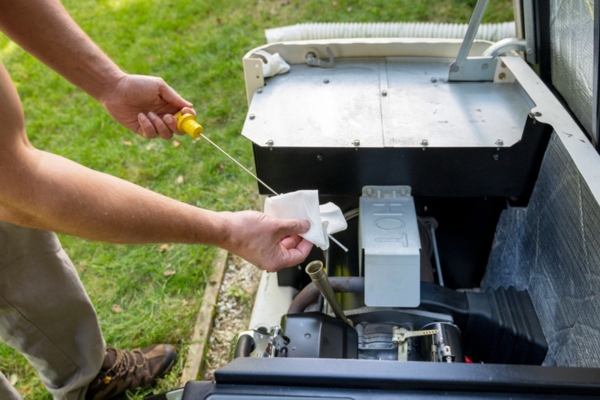
To check whether a backup generator works, homeowners can inspect the exterior for damage, check the battery and fuel condition, review warning lights, and run a manufacturer-recommended test. These simple steps help confirm whether the generator is ready to supply electricity during an outage.
Regular backup generator testing also helps detect potential performance issues before they become serious problems. This article outlines practical ways to check generator operation, recognize warning signs, and know when professional service is needed to keep emergency power reliable.
Why Regular Backup Generator Testing in NJ Matters
Routine backup generator testing helps ensure reliable power during unexpected outages by confirming that the system starts and operates properly, even after extended inactivity. It also supports early detection of mechanical or electrical problems, such as weak batteries, fuel supply issues, and damaged connections, before they cause system failures.
Regular testing and professional maintenance extend equipment life and improve safety by reducing unnecessary wear, maintaining efficient performance, and keeping the generator ready for emergencies.
How to Check Whether Your Backup Generator Is Working

Regular checks help homeowners confirm that their backup generator is ready to operate during a power outage. The following steps can reveal potential issues before they affect performance.
Visual Examination of the Generator
Check the generator’s exterior for damage, corrosion, fluid leaks, loose panels, and debris. Keep ventilation openings and surrounding areas clear of leaves, snow, vegetation, and other obstructions that could interfere with operation.
Battery Condition and Connections
A weak or discharged battery can prevent a generator from starting. Review the battery status on the control panel and look for visible corrosion or damage around accessible connections. Leave battery testing and electrical repairs to a qualified technician.
Fuel Supply and Availability
Confirm that the generator has sufficient fuel. Propane and diesel models require adequate stored fuel, while natural gas generators depend on a continuous gas supply. Check accessible fuel gauges and watch for signs of leakage without disturbing fuel connections.
Control Panel and Warning Lights
Review the control panel for warning lights, error codes, maintenance alerts, or unusual readings. Make sure the generator is set to automatic standby mode, and consult the owner’s manual to understand specific indicators.
Generator Test Run
Follow the manufacturer’s recommended testing procedure to confirm that the generator starts and runs smoothly. Watch for unusual noises, excessive vibration, warning messages, or unexpected shutdowns. Keep the generator in its approved outdoor location throughout testing.
Automatic Transfer Switch Operation
The automatic transfer switch allows the generator to supply electricity when utility power fails. Verifying proper operation may require a controlled outage simulation. A qualified technician can safely test the transfer process and confirm that backup power reaches the intended circuits.
Warning Signs Your Backup Generator May Not Be Working Properly
Recognizing early warning signs can help homeowners address generator problems before an unexpected power outage. Common indicators include:
- Difficulty Starting or Failure to Start: Slow cranking, repeated starting attempts, or failure to start may indicate battery issues, fuel interruptions, or mechanical problems.
- Unusual Noises or Excessive Vibration: Knocking, grinding, rattling, or excessive vibration can signal loose components, mechanical wear, or developing equipment problems.
- Warning Lights and Recurring Error Codes: Persistent fault indicators, shutdown alerts, or maintenance reminders may point to engine, electrical, or control system malfunctions.
- Unexpected Shutdowns or Irregular Operation: Stalling, inconsistent performance, or sudden shutdowns may result from fuel delivery, cooling, lubrication, or electrical issues.
- Visible Leaks, Smoke, or Unusual Odors: Fluid leaks, excessive smoke, or unfamiliar odors may indicate serious problems. If it’s safe, stop testing, stay clear of the equipment, and seek professional assistance. Follow the fuel supplier’s emergency procedures if you suspect a gas leak.
How Often Should You Test Your Backup Generator?

Backup generators should follow the manufacturer’s recommended exercise cycles, typically weekly or monthly, to confirm they start and operate properly. Homeowners should also routinely check status indicators, fuel levels, and the surrounding area, especially before severe weather.
Professional maintenance and operational testing should follow manufacturer guidelines and account for operating hours and usage conditions. Qualified technicians can assess battery performance, engine condition, electrical output, and transfer switch operation to help maintain reliable backup power.
What to Do If Your Backup Generator Fails a Test
If your backup generator fails a test, review warning messages and settings on the control panel for fault codes, maintenance alerts, or incorrect operating modes. Check basic operating conditions, including fuel availability, exterior obstructions, and system status, without disturbing electrical or gas connections.
Avoid repeated starting attempts, as these can strain components and worsen existing problems. If the issue persists, schedule professional generator service to diagnose battery, fuel system, electrical, or mechanical faults and restore safe, reliable operation.
FAQs: Backup Generator Testing

Can a Backup Generator Work Properly After Sitting Unused for Several Months?
A generator may still function after extended inactivity, but long periods without operation can worsen battery deterioration, fuel-related problems, and other performance issues. Following the manufacturer’s exercise schedule helps keep it ready.
Does a Backup Generator Need to Reach a Certain Temperature Before Supplying Power?
Most standby generators require a brief startup and stabilization period before supplying electricity. The exact timing depends on the model, operating conditions, and automatic transfer switch settings.
Can Extreme Weather Affect Backup Generator Performance?
Yes. Extremely cold temperatures can reduce battery performance, while excessive heat can contribute to overheating. Heavy snow, flooding, and storm debris may also interfere with operation. Proper installation and weather protection help reduce these risks.
Can a Backup Generator Power Every Appliance in My Home?
It depends on the generator’s capacity and the home’s electrical demand. Some systems are designed for whole-house coverage, while others supply only selected essential circuits. Running too many appliances simultaneously can overload an undersized generator.
Will My Backup Generator Work If My Internet Connection Goes Down?
Yes. Most standby generators operate independently of an internet connection. However, models with Wi-Fi or cellular monitoring may temporarily lose remote notifications and app-based status updates. The generator’s automatic operation should remain unaffected as long as its local controls are functioning properly.
Conclusion
Regular backup generator checks help homeowners maintain reliable emergency power and detect potential problems before an outage. Visual assessments, battery and fuel monitoring, control panel reviews, and manufacturer-approved test runs help confirm generator readiness, while professional maintenance ensures safe operation and addresses mechanical or electrical issues.
For dependable whole-house generator installation and replacement services, contact PFO Heating & Air Conditioning today. Our experienced team helps homeowners throughout the Greater Princeton, NJ area choose properly sized backup power systems to keep their homes powered during unexpected outages.
Contact PFO Heating & Air Conditioning for Trusted Whole-House Generator Services in the Greater Princeton, NJ area
PFO Heating & Air Conditioning provides professional whole-house generator services throughout the Greater Princeton, NJ area, helping homeowners prepare for unexpected power outages. Our experienced technicians prioritize safe installation, quality workmanship, and reliable system performance.
Whether you need generator testing, maintenance, repairs, or a new installation, PFO Heating & Air Conditioning offers solutions suited to your home’s power requirements and budget. We emphasize transparent pricing, responsive service, and long-term reliability to keep your backup power system ready when needed.
Count on PFO Heating & Air Conditioning for reliable generator solutions in the Greater Princeton, NJ area. Contact us today to schedule a consultation or service appointment and ensure your home is prepared for the next power outage. Call now!
Click here to contact us now or call us at (800) 253-9001 to find out more! Click the link to view our service area.

Related Articles: