


You adjust the thermostat to a comfortable setting, yet one room feels warm and stagnant while another stays noticeably cool. Inconsistent comfort typically indicates an underlying problem within your HVAC airflow system.
At PFO Heating & Air Conditioning, an HVAC company serving the Greater Princeton, NJ area, we assist homeowners in diagnosing and resolving airflow imbalances that impact comfort, efficiency, and overall system performance. Our technicians assess ductwork, filtration, static pressure, and the overall system configuration to confirm that conditioned air moves evenly throughout the home.
In this article, we explain how HVAC airflow is designed to operate, what causes performance disruptions, and how correcting these problems can reestablish balanced temperatures, strengthen energy efficiency, and prolong the service life of your heating and cooling equipment.
Restore Consistent Comfort Across Your Home: Schedule a professional airflow evaluation with PFO Heating & Air Conditioning. Contact us today.
Understanding Airflow’s Impact on HVAC Operation in the Greater Princeton, NJ Area
Airflow is the mechanism that moves conditioned air throughout your home, allowing your HVAC system to sustain steady temperatures and uniform comfort. When airflow is restricted, even high-efficiency equipment cannot perform according to specifications. Your system relies on multiple integrated components:
- Return air ducts that pull indoor air back for heating or cooling
- Supply ducts that distribute conditioned air into every room
- Blower motors that move air steadily and effectively
- Correctly sized and sealed ductwork that preserves proper static pressure
When airflow becomes restricted, the system must operate longer and exert more effort to satisfy thermostat settings, increasing mechanical stress, accelerating component deterioration, and lowering overall energy efficiency.
Improve Efficiency and Reduce Energy Expenses: Let PFO Heating & Air Conditioning optimize your HVAC airflow. Schedule your service now.
Why Proper HVAC Airflow Is Critical
HVAC airflow plays a central role in system operation, indoor comfort, energy efficiency, and the long-term durability of your home’s equipment.
Airflow Has a Direct Effect on Indoor Comfort

Balanced HVAC airflow is necessary to sustain even comfort throughout your home. Proper circulation allows each room to receive the correct volume of conditioned air, minimizing hot and cold areas, especially on upper levels or in rooms farther from the air handler.
Sufficient airflow enables heated or cooled air to reach living areas efficiently, reducing run times and stabilizing temperatures more rapidly. It also promotes effective humidity control during cooling cycles, helping limit excess moisture, discomfort, and the risk of mold development.
Protect Your HVAC System From Excess Strain: Schedule an inspection with PFO Heating & Air Conditioning. Request an appointment today.
Airflow Safeguards HVAC Equipment
Correct airflow reduces mechanical strain and lowers the risk of early system breakdown. Limited airflow can cause heat to accumulate within a furnace heat exchanger, activating safety limit switches and harming internal components.
Air conditioning systems depend on consistent airflow across the evaporator coil; inadequate circulation may result in coil icing, diminished cooling output, and added compressor stress. Elevated static pressure compels blower motors to operate under heavier load, raising energy consumption and reducing overall equipment longevity.
HVAC Airflow Affects Indoor Air Quality

Stable airflow supports proper filtration, ventilation, and contaminant control. Air filters depend on consistent circulation to effectively capture airborne particles; reduced airflow allows dust and allergens to stay suspended for longer. Even air movement also encourages appropriate air exchange, helping dilute indoor pollutants and limit dust accumulation caused by stagnant or uneven circulation.
Eliminate Persistent Hot and Cold Areas: Contact PFO Heating & Air Conditioning for professional airflow diagnostics. Get started today.
Common Reasons for Poor HVAC Airflow in the Greater Princeton, NJ Area
Airflow deficiencies seldom occur randomly and usually result from mechanical blockages, design limitations, or neglected maintenance within the HVAC system.
High-Resistance HVAC Filters
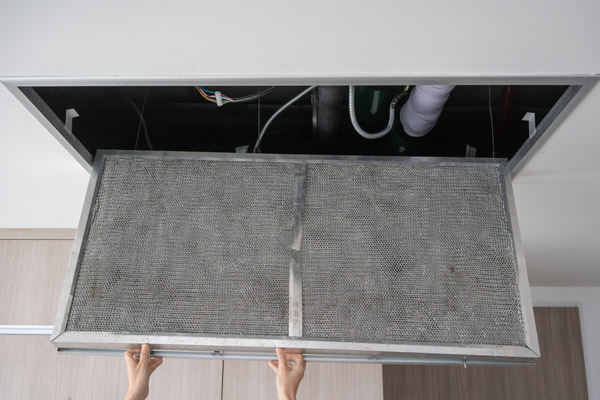
Air filters enhance indoor air quality and safeguard HVAC equipment by trapping dust, pollen, pet dander, smoke, bacteria, and mold spores. As debris accumulates, filters become restrictive and may limit airflow, decreasing efficiency and placing added stress on the system.
Most filters should be replaced every few months, with monthly inspections to determine whether earlier changes are necessary. Filter choice is also important; higher MERV-rated filters capture finer particles but can raise airflow resistance. In certain situations, blower speed adjustments may be necessary, and high-efficiency filters often require more frequent replacement to preserve proper airflow.
Damaged or Leaking HVAC Ductwork
Over time, ductwork can develop gaps and fractures. These issues may result from substandard materials, improper installation practices, excessive internal air pressure, or pest activity. Research indicates that approximately one-third to one-half of the air moving through duct systems escapes in many homes.
This issue is especially noticeable in rooms located farthest from the equipment. Heated air from the furnace may fail to reach these areas during winter. Occupants often remain uncomfortable regardless of the thermostat setting. Identifying and sealing these leaks effectively requires professional expertise. Contact experienced HVAC technicians promptly to address leaking ductwork.
Enhance Indoor Air Quality and System Efficiency: Rely on PFO Heating & Air Conditioning for professional service. Speak with our team today.
Obstructed HVAC Registers
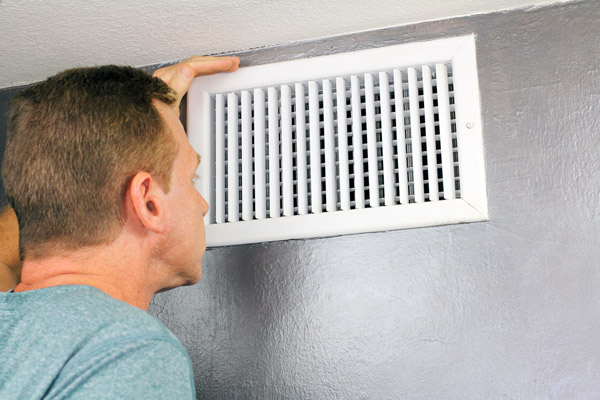
When a specific room stays uncomfortable despite thermostat changes, start by examining the supply and return registers serving that space. Blockages frequently cause limited airflow. Furniture positioned directly over vents, extended drapes covering grilles, or dampers closed by a prior occupant can substantially restrict air delivery.
Clear any visible obstructions and verify that all registers remain fully open. After removing these barriers, observe the room’s temperature and airflow patterns. If performance does not improve, continue assessing other possible issues within the HVAC system.
Closed Damper Valve
Every HVAC system includes a method for managing airflow distribution. Many systems use damper valves to adjust the volume of air directed to specific zones. These components can also shut off airflow to unoccupied rooms when necessary. Some dampers require manual adjustment, while others operate automatically according to the thermostat’s programmed settings.
If you can identify the manual dampers, verify that they are set to the proper position. Adjust the lever as needed to restore correct airflow. When automatic dampers fail to operate properly, consult an HVAC professional to inspect the associated electrical components and controls.
Minimize Wear and Prolong System Lifespan: Schedule HVAC maintenance with PFO Heating & Air Conditioning. Arrange your visit today.
Crushed Flexible Ductwork
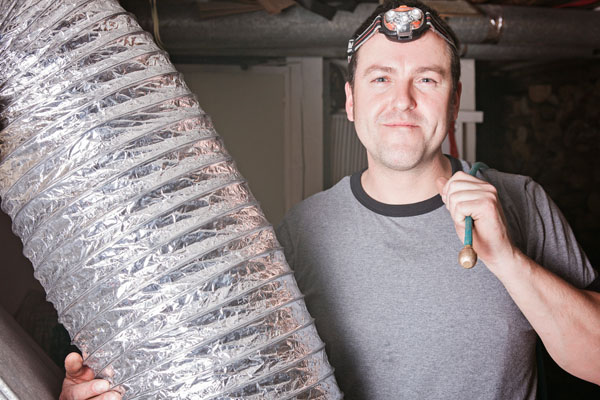
Air ducts are constructed from various materials. Many systems utilize rigid metal ductwork for strength and longevity. Others incorporate flexible plastic sections, particularly around bends and tight spaces. While flexible ducting offers installation advantages, it is more susceptible to damage.
If someone steps on a flex duct, it can collapse under the applied weight. The compressed shape restricts airflow, reducing system efficiency. When accessible, you may attempt to reshape the duct carefully. If punctures or tears are present, contact an HVAC contractor to replace the damaged section promptly.
Incorrectly Sized Ductwork
HVAC systems consist of multiple interconnected components. Each part must function in coordination to achieve proper performance. When elements are mismatched, operational issues develop. For instance, ductwork may be oversized, resulting in insufficient air pressure to push conditioned air to the most distant areas of the home. It is comparable to attaching an oversized hose to a small faucet.
The reverse situation can be equally problematic. In many cases, ductwork is undersized, creating airflow restrictions that limit system performance. Duct systems should be engineered by a qualified HVAC contractor who applies detailed load calculations and technical analysis based on the home’s requirements.
Enhance Air Distribution in Every Room: Request a comprehensive airflow evaluation from PFO Heating & Air Conditioning. Schedule your consultation now.
Insufficient Return Air Vents
Air delivered from the furnace or air conditioner to various areas of the home must circulate back to the equipment. The HVAC system operates as a closed loop that depends on this continuous cycle. When return airflow is inadequate, certain spaces can develop elevated air pressure and reduced supply airflow.
If this condition stems from a design deficiency, an HVAC professional should evaluate and correct the layout. When sufficient return vents exist but performance is limited, the underlying cause must be identified and resolved without delay.
Frequently Asked Questions About HVAC Airflow

How Do I Know If My HVAC System Has Airflow Issues?
Typical warning signs include weak airflow from supply registers, rooms that take longer to heat or cool, rising utility costs, and abnormal sounds such as whistling or rattling in the duct system. You might also observe extended run cycles without reaching the thermostat setting. These conditions commonly indicate static pressure imbalances or airflow blockages that warrant professional assessment.
Does HVAC Airflow Impact Energy Efficiency?
Yes. Limited or uneven airflow compels the blower motor to operate under increased load to move conditioned air throughout the home. This raises electrical usage and diminishes overall system efficiency. Ongoing strain may also hasten wear on components such as the blower assembly and heat exchanger, contributing to higher operating expenses over time.
Can Poor Airflow Damage Your Greater Princeton, NJ HVAC Equipment?
Inadequate airflow can lead to furnace overheating and evaporator coil freezing in air conditioning systems. Over time, these conditions may cause cracked heat exchangers, compressor failure, or early system shutdowns initiated by safety controls. Preserving proper airflow safeguards performance and extends equipment service life.
Avoid Expensive Repairs Through Proper Airflow: Depend on PFO Heating & Air Conditioning for reliable HVAC service. Contact us today.
Can Greater Princeton, NJ Home Renovations Affect HVAC Airflow?
Yes. Constructing new walls, finishing basements, upgrading windows, or modifying room configurations can alter airflow patterns and pressure relationships throughout the home. Renovations may raise heating and cooling demands or limit return-air circulation paths. Following major structural updates, a professional airflow assessment ensures the system remains balanced and meets revised comfort requirements.
How Frequently Should HVAC Airflow Be Tested?
Airflow should be reviewed during yearly heating and cooling maintenance appointments. Systems that have experienced renovations, duct alterations, or equipment upgrades may need supplemental testing to confirm compatibility and balanced air distribution. Ongoing evaluation supports steady comfort and dependable system operation throughout the year.
Conclusion
Proper HVAC airflow is critical for sustaining even temperatures, preserving equipment efficiency, and managing energy expenses. Obstructions, design deficiencies, or deferred maintenance can compromise system performance and diminish overall comfort. Detecting and resolving airflow concerns early reduces the risk of long-term damage and restores dependable operation throughout the home.
If you notice signs of airflow imbalance, contact PFO Heating & Air Conditioning for a comprehensive evaluation and precise solutions that keep your heating and cooling system functioning optimally.
Maintain Peak Heating and Cooling Performance: Select PFO Heating & Air Conditioning for reliable HVAC services. Schedule your evaluation today.
Contact PFO Heating & Air Conditioning For Comprehensive HVAC Services
PFO Heating & Air Conditioning provides professional heating and cooling solutions throughout the Greater Princeton, NJ area. Our certified technicians deliver thorough HVAC tune-ups, accurate repairs, system installations, and full replacements. Each member of our team brings the training and field experience required to service your HVAC equipment properly.
PFO Heating & Air Conditioning is committed to fair, competitive pricing for heating and cooling services in the area. Our maintenance services are designed to enhance indoor comfort, improve energy efficiency, and lower overall heating and cooling expenses. If you require a repair or complete system replacement, we recommend practical options tailored to your home and financial plan.
Our workmanship guarantee supports all services, providing added confidence. To arrange a service visit or request an in-home estimate, contact PFO Heating & Air Conditioning today.
Click here to contact us now or call us at (800) 253-9001 to find out more! Click the link to view our service area.
Related Articles:
- Why Your Air Conditioner Might Be Leaking Refrigerant
- Save Money & Stay Cool: The Power Of An Air Conditioner Tune-Up
- Steps To Take When Your AC Unit Keeps Tripping The Breaker
- The Homeowner’s Guide To Ductless HVAC & Window AC Units
- Is There A Dead Rodent In The Ductwork? – Here’s What You Need To Do