



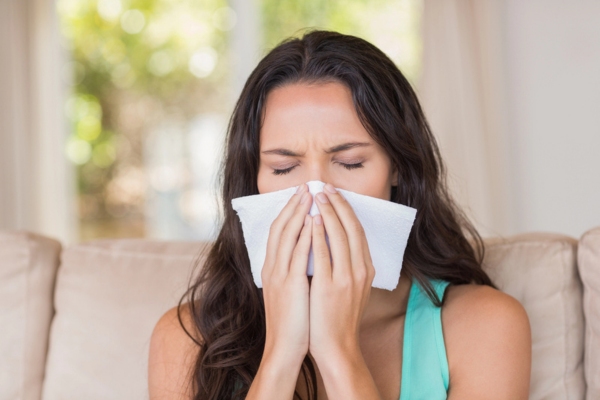
Spring delivers milder temperatures and extended daylight hours. It carries airborne pollen that can enter your home and cause ongoing allergy symptoms associated with HVAC systems.
At PFO Heating & Air Conditioning, we assist homeowners across the Greater Princeton, NJ area with improving indoor air quality. Our team delivers advanced HVAC solutions, detailed maintenance services, and filtration upgrades engineered to minimize airborne contaminants.
This article details how pollen makes its way into your home. It also explains how your HVAC system affects indoor allergen concentrations. You will learn the most effective methods to limit pollen exposure this spring and better control HVAC allergies.
Enhance Indoor Air Quality and Minimize Allergy Irritants: PFO Heating & Air Conditioning provides effective HVAC filtration solutions tailored to your home. Book your service today.
Reducing Indoor Pollen: Effective HVAC Methods for Allergy Control

Recognizing how pollen enters and moves through your HVAC system is essential for lowering indoor allergen levels. With proper filtration, optimized airflow, and consistent maintenance practices, homeowners can reduce HVAC-related allergies and strengthen indoor air quality throughout the spring season.
Manage Pollen and Improve Airflow Efficiency: Rely on PFO Heating & Air Conditioning to optimize your HVAC system. Schedule your service today.
How Spring Pollen Finds Its Way Indoors
In spring, pollen enters homes through several routine entry points. Open windows and doors to improve airflow. They also let outdoor pollen move freely inside. Even short periods with windows open can increase indoor allergen concentrations. Daily movement and pets also contribute. Pollen clings to shoes, clothing, and animal fur. These particles then settle into carpets, furniture, and duct systems.
Your HVAC system may also play a role when filters are clogged, poorly installed, or incorrectly sized. Under these conditions, pollen continues to circulate throughout the home rather than being properly captured.
How Your HVAC System Influences Allergy Symptoms
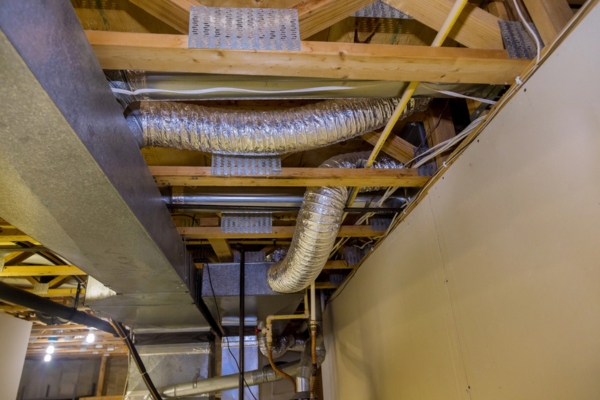
Your HVAC system directly affects how pollen and other airborne allergens move and accumulate inside your home.
- Air Filter Performance: Basic fiberglass filters trap larger particles but often allow fine pollen to pass through. Switching to a higher MERV-rated filter enhances particle capture and helps limit the circulation of airborne allergens indoors.
- Duct System Integrity: Gaps or leaks in ductwork can draw in pollen from attics, crawlspaces, or wall cavities. Proper sealing reduces the chance of contaminated air entering and spreading through your living areas.
- Humidity Regulation: Keeping indoor humidity within a balanced range supports breathing comfort and reduces airborne irritants. Conditions that are too dry or too humid can worsen allergy symptoms and impact overall comfort.
Improve Filtration and Maintain Indoor Comfort: Trust PFO Heating & Air Conditioning to prepare your HVAC system for spring. Book your appointment today.
HVAC Improvements That Help Reduce Indoor Pollen
Focused HVAC upgrades and routine maintenance measures can greatly decrease pollen circulation and enhance indoor air quality during allergy season.
Install High-Efficiency Air Filters
Pleated filters with the correct MERV rating capture finer pollen particles more effectively than standard fiberglass filters. MERV 8 through 13 filters are typically recommended for residential systems, depending on equipment design and airflow requirements. Choosing a filter that aligns with your system specifications helps avoid airflow restrictions while improving allergen reduction.
Arrange Professional HVAC Service
Regular system evaluations confirm filters are installed correctly, blower components remain clean, and airflow passages stay clear. Technicians also assess for duct leaks and pressure imbalances that can distribute contaminants. Ongoing maintenance limits pollen accumulation within system components and supports efficient operation.
Limit Airborne Allergens and Support System Performance: Contact PFO Heating & Air Conditioning for expert HVAC maintenance. Call today.
Add Whole-Home Air Purification Systems
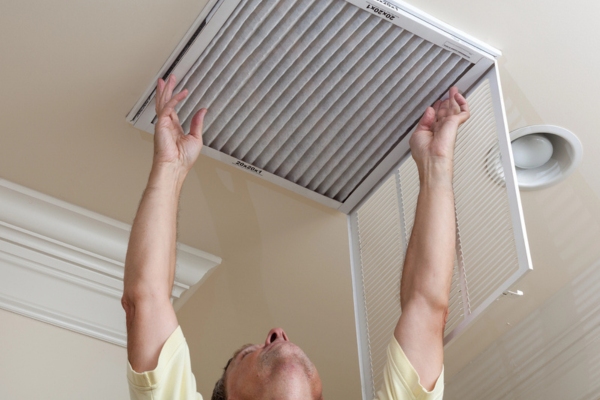
Whole-home air purification units treat air as it passes through your HVAC system. These systems remove microscopic particles before they circulate into living areas. Certain models use HEPA-level filtration or advanced ionization technology to improve particle removal effectiveness.
Secure and Service Your Duct System
Expert duct sealing blocks pollen from entering the system through attics, crawlspaces, or wall cavities. Thorough duct cleaning clears built-up debris that could otherwise continue circulating. Combined, these services support cleaner indoor air and consistent airflow across the home.
Improve Indoor Air Quality and System Performance: Have PFO Heating & Air Conditioning assess your HVAC system. Schedule your appointment today.
Additional Ways to Limit Indoor Pollen
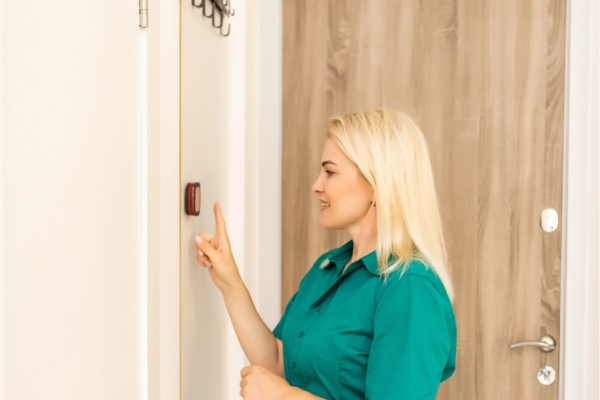
Along with HVAC improvements, practical household habits can further reduce pollen accumulation and lower indoor allergen exposure.
- Change Filters Regularly: During high-pollen periods, check HVAC filters monthly. Replace them when needed to preserve airflow and maintain effective particle capture.
- Keep Return Vents Clean: Regularly dust and vacuum around supply and return vents. This helps prevent settled pollen from being drawn back into the system.
- Use Smart or Programmable Thermostats: In compatible setups, running the fan at a continuous low speed increases air circulation. More consistent air movement supports improved filtration efficiency.
- Reduce Outdoor Pollutant Entry: Leave shoes at entryways and groom pets frequently. These practices limit how much pollen is brought into indoor spaces.
Reduce Seasonal Allergies and Improve Airflow Efficiency: Rely on PFO Heating & Air Conditioning for professional HVAC solutions. Schedule your service today.
When To Seek Professional HVAC Support in the Greater Princeton, NJ Area
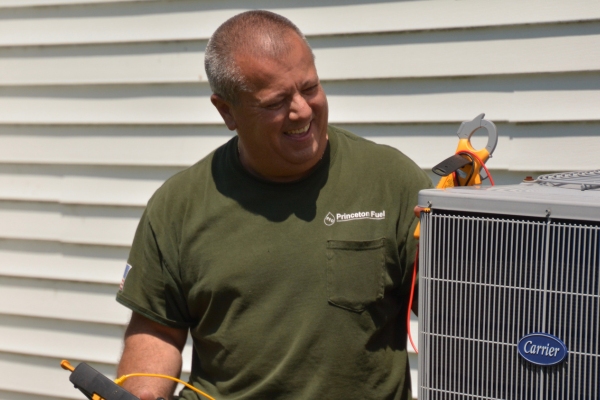
Schedule professional HVAC service when indoor allergy symptoms persist despite regular cleaning and consistent filter changes. Ongoing irritation can signal the need for improved filtration or precise airflow corrections. Noticeable dust buildup around vents is another indicator. Weak airflow from supply registers may suggest clogged filters, duct obstructions, or internal component accumulation.
Older HVAC systems should also be evaluated. Aging equipment may not support high-efficiency filters or modern air quality enhancements. A professional inspection confirms compatibility, protects system operation, and improves pollen management.
Improve Indoor Air Quality This Spring: Trust PFO Heating & Air Conditioning for targeted HVAC solutions. Schedule your appointment today.
FAQs: HVAC Allergies

Do HVAC Zoning Systems Help Limit Pollen Exposure In Certain Areas Of The Home?
Yes. Zoning systems provide separate airflow control for different areas of the home. This setup can reduce pollen distribution in unused spaces and focus filtration in frequently occupied rooms. Proper damper setup and balanced airflow remain necessary to maintain system performance and efficiency.
Are UV Lights In HVAC Systems Effective At Removing Pollen?
UV germicidal lights are designed to neutralize biological contaminants such as mold and bacteria. They do not capture or remove pollen particles from the air. Effective filtration remains the primary method for controlling pollen within an HVAC system.
Does Outdoor Pollen Count Affect Indoor Air Quality?
Elevated outdoor pollen levels increase the chances of indoor infiltration through normal air exchange. Homes with poor sealing, worn weatherstripping, or unbalanced ventilation systems may experience higher indoor pollen concentrations during peak periods.
Improve Filtration and Restore Proper Airflow Balance: PFO Heating & Air Conditioning can optimize your HVAC system. Call today to get started.
Can Dirty Evaporator Coils Worsen Allergy Symptoms?
Yes. When evaporator coils collect dust and debris, airflow efficiency decreases, and moisture can accumulate on the coil surface. These conditions allow allergens to cling to components and circulate throughout the system. Routine coil cleaning helps maintain proper airflow and minimizes contaminant buildup.
Does Improving Insulation Help Lower Indoor Pollen Levels?
Yes. Upgraded insulation strengthens the building envelope. When paired with effective air sealing, it reduces uncontrolled air leakage that can introduce pollen indoors. This strategy works alongside HVAC filtration by limiting entry points for outdoor contaminants.
Conclusion
Pollen can enter your home through open doors and windows, daily foot traffic, and HVAC systems without effective filtration. Once inside, these particles move through ductwork and circulate within living spaces. High-efficiency filters, well-sealed ducts, and consistent professional maintenance help lower indoor allergen concentrations. Proactive HVAC care enhances air quality, preserves system performance, and maintains reliable comfort throughout the season.
Reduce indoor allergens this spring with professional HVAC solutions from PFO Heating & Air Conditioning. Schedule your indoor air quality assessment today.
Improve Airflow and Reduce Indoor Allergens: Contact PFO Heating & Air Conditioning for a complete HVAC evaluation. Call today.
Contact PFO Heating & Air Conditioning for Complete HVAC Services
PFO Heating & Air Conditioning delivers professional heating and cooling services throughout the Greater Princeton, NJ area, providing consistent results through skilled service and thorough system assessments. Our certified technicians handle routine maintenance, detailed diagnostics, system repairs, new system installations, and full equipment replacements following proven industry practices. Every service is completed with an emphasis on dependable operation and lasting system performance.
We provide straightforward, competitive pricing along with informed recommendations to improve efficiency and manage long-term operating expenses. Regular maintenance helps maintain indoor comfort, lowers energy consumption, and reduces the likelihood of unexpected breakdowns. When repairs or system upgrades are needed, our team offers practical, cost-conscious solutions tailored to your home’s requirements and budget.
All work reflects our commitment to quality service and customer satisfaction. Contact PFO Heating & Air Conditioning today to schedule your HVAC service or request a professional in-home consultation.
Click here to contact us now or call us at (800) 253-9001 to find out more! Click the link to view our service area.
Related Articles: